News
Mizuho Bank report analyzes Japan's strategic position and challenges in silicon photonics manufacturing
Thursday, April 2, 2026 at 09:02 PM
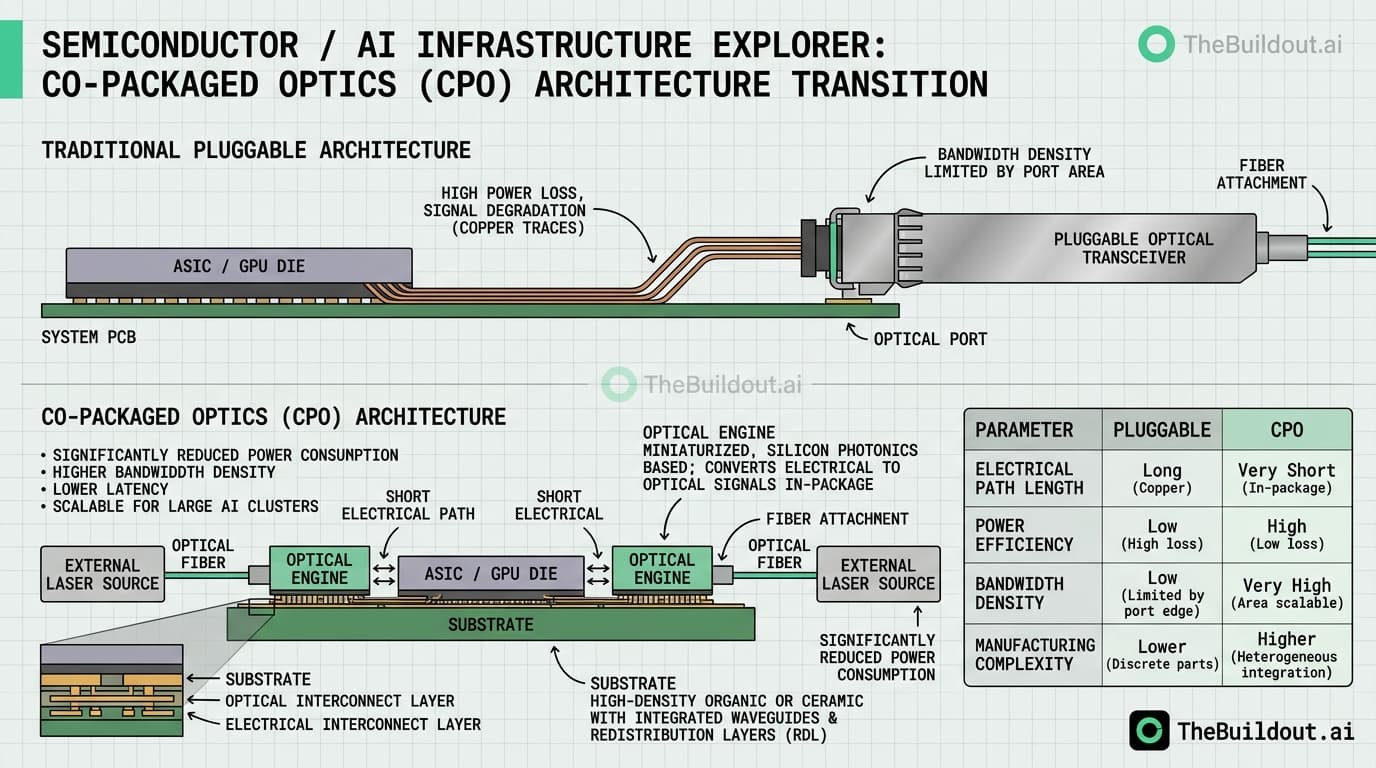
A Mizuho Bank report outlines the current state of silicon photonics (optical-electronic integration) technology, detailing its structural evolution, Japan's competitive advantages in materials and laser components, and the technical hurdles remaining for mass adoption in AI data centers.
Context
A new Mizuho Bank report highlights Japan's critical window to lead in silicon photonics, a technology essential for the All-Photonics Network (APN). As high-performance AI clusters face immense power constraints, the shift toward co-packaged optics (CPO) and photoelectric fusion is no longer optional. Mizuho estimates that the deployment of APN infrastructure and CPO-equipped servers in Japan will represent a cumulative market opportunity of 4.5 trillion yen (approx. $30 billion) as the industry scales through 2030.
Japan’s strategic advantage lies in its vertically integrated supply chain, featuring leaders like NTT, Sumitomo Electric, and Resonac. While SoftBank and Cisco have already begun deploying all-optical metro networks as of late 2025, the Mizuho analysis warns that Japan must overcome high R&D costs and a shortage of specialized talent to maintain its lead against global competitors. With Sumitomo Electric recently debuting 6G-ready APN transceivers at MWC 2026, the focus has shifted to mass-manufacturing readiness to meet the surging demand from next-generation data centers.
Sources (11)
[PDF] Mizuho Sustainability Focus 2025[PDF] RESONAC REPORT 2025Sumitomo Electric to Exhibit at Mobile World Congress 2026 —Toward Realizing Future 6G Communications Through All-Optical Networks— | Sumitomo ElectricIOWN Vision - NTT GroupSoftBank Corp. Collaborates with Cisco to Launch "All optical network" in Metro Networks Across Japan - The Cisco News Network - APJCCo-Packaged Optics Gain Traction in Data CentersBottlenecks in data center construction threaten Japan's AI ambitions - Nikkei AsiaJapan's Data Center Market Surges Despite Hurdles
Related Companies
Mizuho
8411