News
Samsung aims for 1nm mass production by 2031 using Forksheet technology
Monday, March 30, 2026 at 03:09 PM
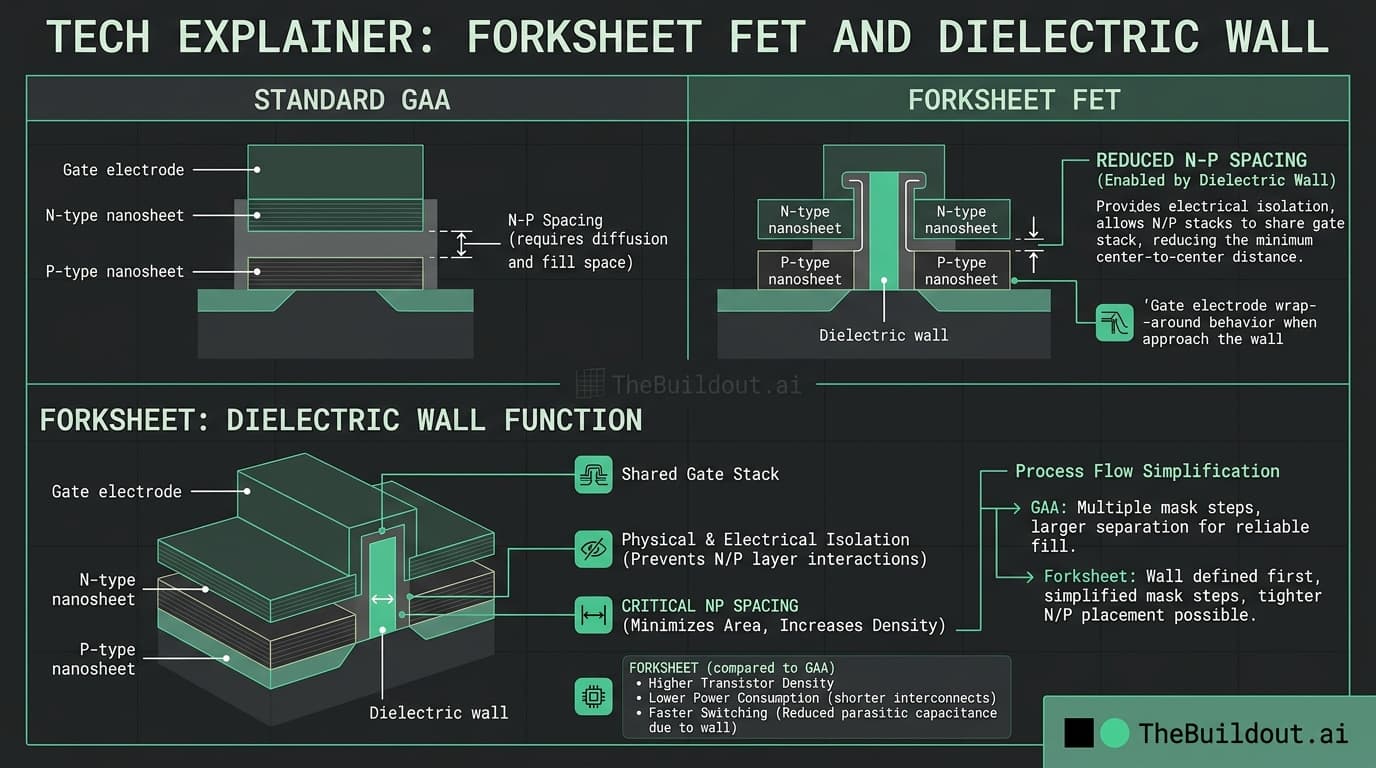
Samsung plans to implement its 1nm manufacturing process by 2031. The roadmap involves the adoption of Forksheet transistor architecture, which allows for denser transistor packing and higher performance within the same physical footprint compared to existing Gate-All-Around (GAA) designs.
Context
In a strategic expansion of its long-term technology roadmap, Samsung Electronics has announced plans to reach 1nm mass production by 2031. This ambitious target relies on the adoption of Forksheet transistor technology, an architectural evolution designed to overcome the physical scaling limits of current Gate-All-Around (GAA) designs. By using a dielectric wall to reduce the spacing between n-type and p-type transistors, Forksheet allows for higher transistor density and improved power efficiency within the same chip area.
This development marks a critical milestone as Samsung seeks to regain its competitive edge against TSMC and Intel in the sub-2nm era. While the company is currently focusing on stabilizing yields for its 2nm process—expected to scale significantly by 2026—and its 1.4nm node slated for 2029, the commitment to 1nm by the end of the decade signals a transition toward the ultimate goal of Complementary FET (CFET) architectures. For investors, this roadmap highlights Samsung's aggressive pursuit of leadership in the high-performance computing and AI accelerator markets where transistor density is paramount.
Sources (8)
Meet the Forksheet: Imec’s In-Between Transistor - IEEE SpectrumCFET (Complementary FET) Wiki - SemiWikiChip Industry Week In Review[News] Samsung Foundry Reportedly Expects 30%+ 2nm Order Growth in 2026; 1.4nm Set for 2029Samsung's new roadmap unveils its 2nm process nodes and outlines backside power delivery plans | Tom's HardwareSamsung's 1nm Chip Roadmap: A Leap or a Gamble?Technology HighlightsSamsung Is Reportedly Unlikely To Mass Produce 1.4nm Chips Before 2028-29 - LoveChip
Related Companies
Samsung Electronics
005930